
In 25 years of breeding, I've had 23 dogs returned to me. Divorces, deaths, job losses, behavioral issues, allergies that developed years later. Every single one of those returns broke my heart, and every single one taught me something I needed to know.
No one talks about this part of breeding. We post pictures of whelping boxes and puppy piles. We celebrate when our dogs win titles. But the midnight phone calls, the desperate emails, the dogs who come back confused and scared because their whole world just fell apart, that’s the part nobody photographs. Returns are one side of it. The other is the phone call about a health crisis in a dog you bred, where the dog stays with the family but the weight lands squarely on you.
This is that story.
My First Return
His name was Summit. Snowpeak’s Autumn Summit, from my third litter in 2003. He went to a young couple in Boston who seemed perfect. Professional jobs, no kids, flexible schedules. They promised me he’d never be alone more than four hours and they’d train him properly.
The call came eight months later. They were splitting up. Neither wanted to keep the dog. Could I take him back?
I drove to Boston that weekend. Summit didn’t recognize me, why would he? He’d been a puppy when he left. But he came with me anyway, because dogs forgive us things we don’t deserve to be forgiven for.
The Drive Home
Summit cried the entire three-hour drive back to Vermont. Not whining for attention, but real crying, the sound a dog makes when they don't understand why their world has ended. I pulled over twice because I couldn't see through my own tears.
He lived with me for another eleven years. Best dog I ever had, and I almost never got to know him.
That was when I understood what a breeder’s contract actually means. It’s not a legal document. It’s a promise that no dog I bring into this world will ever be truly alone.
The Contract Clause That Matters
Every puppy I sell comes with a lifetime return clause. It’s not negotiable. It’s not optional. If, for any reason, at any time, you cannot keep your Snowpeak dog, that dog comes back to me.
Not to a shelter. Not to a rescue. Not to a friend of a friend who seems nice. Back to me.
I’ve had people argue with me about this. They want to rehome their dog themselves. They’ve found someone they think is perfect. They don’t understand why I insist.
Here’s why: I selected their family after careful evaluation. I know my dogs’ temperaments, their quirks, what kind of home they need. The family my buyer found might be lovely, but they don’t know what I know. And if something goes wrong with that placement, I won’t be able to help.
A return isn’t a failure for the buyer. Life happens. Jobs change, people get sick, relationships end. The return clause exists precisely because I know these things will happen and I won’t abandon my dogs when they do.
The Hardest Returns
Not all returns are divorces and job losses. Some are behavioral issues that the family couldn’t handle. Those are the returns that keep me up at night.
In 2011, a dog named Flash came back at two years old with severe resource guarding. He’d bitten a child over a tennis ball. Not badly, but badly enough that the family was afraid of him.
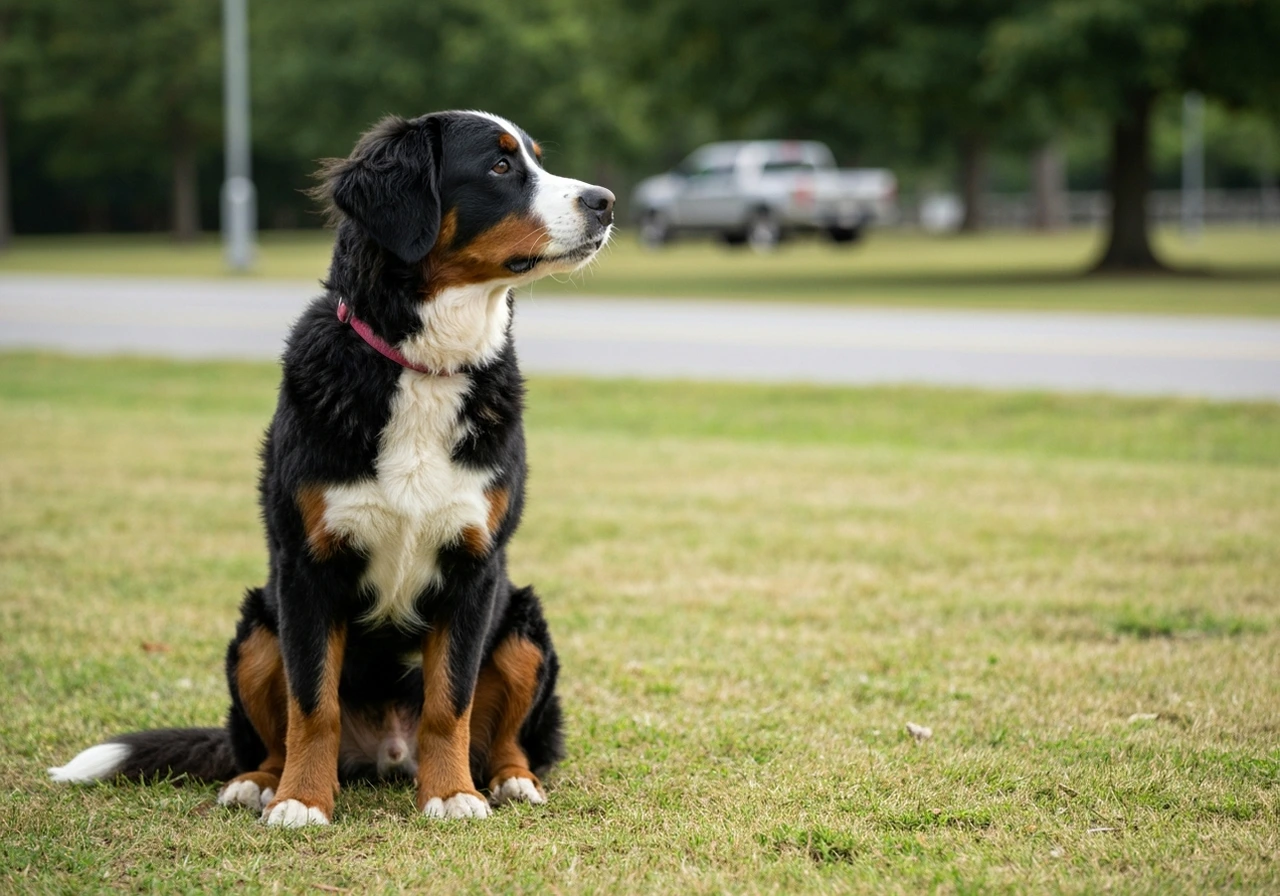
Flash had come from solid parents with excellent temperaments. His littermates were all stable. What happened?
The Investigation
I spent weeks trying to understand. Hired a behaviorist. Interviewed the family in detail about his early training and socialization. What I learned broke me.
The family had used a shock collar on him starting at four months old. For barking. They'd used "alpha rolls" when he growled. They'd punished every warning signal out of him until the only response he had left was to bite without warning.
Flash lived with me for the rest of his life. With careful management and a lot of patience, he became trustworthy again, but only with adults who understood him. The damage done in those first two years couldn’t be fully undone.
That return changed my buyer screening process. Now I specifically ask about training philosophy. Anyone who mentions dominance theory, shock collars, or alpha rolls doesn’t get one of my puppies. Ever. I’ve also reconsidered the role of co-ownership contracts in situations like these, because maintaining partial ownership didn’t prevent the damage that was done to Flash in those first two years.
The Phone Calls No One Wants to Get
Last March, I got a call from a number I didn’t recognize. A woman’s voice, shaking: “Are you the breeder of a dog named Luna?”
My heart dropped. I knew before she said another word that Luna’s owner had died.
Luna was eight years old. Her owner, Karen, had been a widow in her sixties who wanted a companion after her husband passed. She’d been one of my favorite adopters, sending photos and updates every few months for years. I’d last heard from her at Christmas.
Karen had had a stroke. Her adult children, who lived across the country and hadn’t grown up with dogs, didn’t know what to do with Luna. The daughter calling me had found my number in Karen’s contact list.
I drove to Connecticut the next day.
Luna is eleven now. She’s curled up under my desk as I write this. She still looks for Karen sometimes, turning her head when someone with gray hair walks by. Dogs grieve longer than we give them credit for.
The Rehabilitation Process
When a dog comes back, the first few weeks are critical.
Returned dogs are confused. Their world has fundamentally changed, and they don’t understand why. Some shut down completely, barely eating or drinking. Some become hypervigilant, unable to rest. Some regress to puppyhood behaviors as they try to make sense of their new normal.
Here’s what I do:
Week One: Decompression The dog gets a quiet space away from my other dogs. Minimal interaction beyond basic care. Soft music or white noise. Consistency in schedule. No demands, no training, just existence.
Weeks Two through Four: Integration Slow introductions to my routine and my other dogs. Short sessions, lots of breaks. I watch for stress signals obsessively. If the dog is overwhelmed, we back off.
Month Two and Beyond: Evaluation Only after the dog has genuinely settled do I start thinking about whether they can be rehomed. Some dogs can. Some dogs can’t. The ones who can’t stay with me.
The Non-Negotiables
A returned dog never goes to a home that's less suitable than their original placement. If they need extra management, their new family needs to be capable of providing it. If they've developed behavioral issues, their new family needs to understand exactly what they're taking on.
Why I Don’t Always Rehome
Of the 23 dogs returned to me over 25 years, I’ve rehomed 14. The other 9 stayed with me permanently.
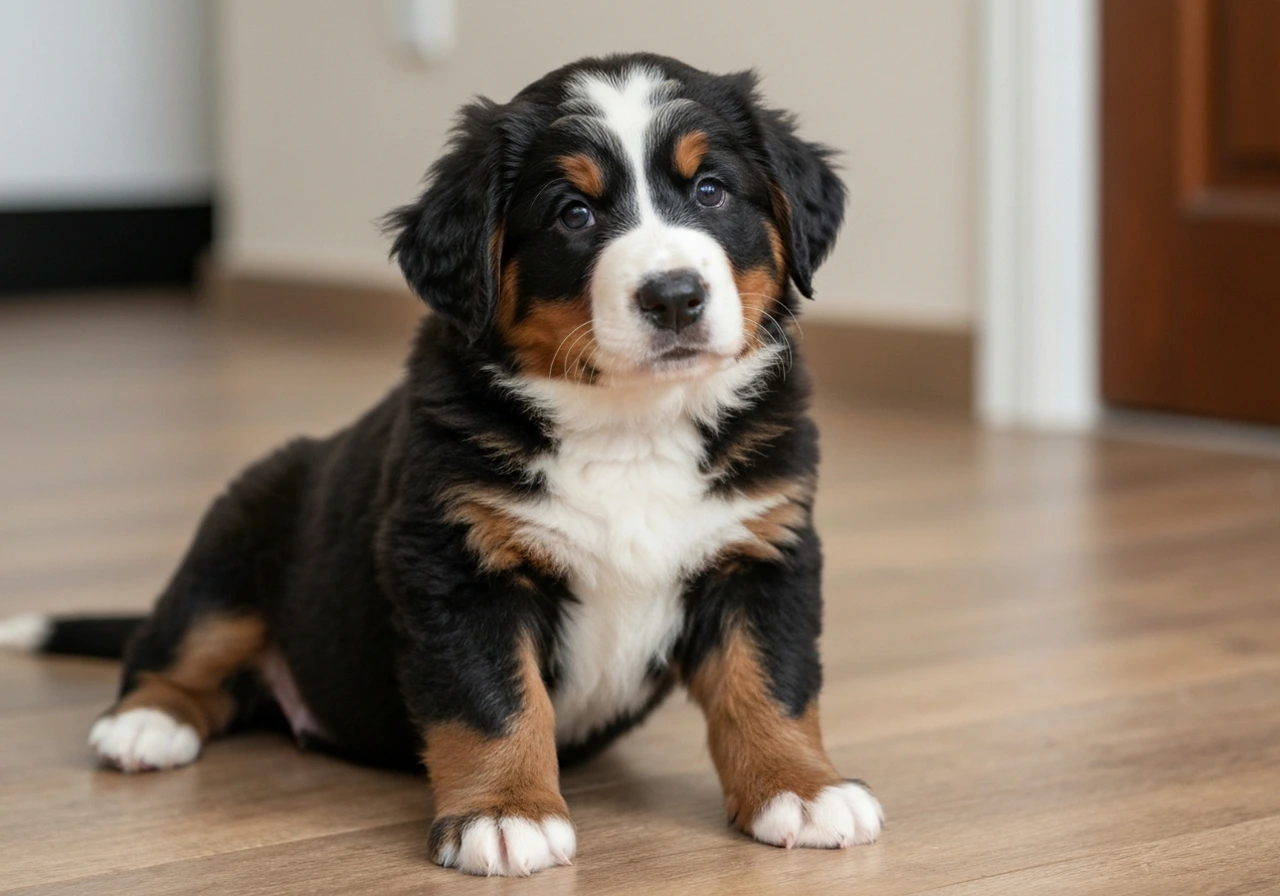
Some weren’t rehomable because of behavioral issues that developed in their previous homes. Like Flash. Like a dog named Timber who was returned with such severe separation anxiety that he couldn’t be left alone for more than thirty minutes without destroying the house.
Some weren’t rehomable because they were old or sick. An eight-year-old dog with early hip dysplasia doesn’t have great adoption prospects. A ten-year-old with a heart condition needs consistent veterinary care and someone who understands end-of-life decisions. That someone is me.
And some just… couldn’t adapt. Luna could probably go to another home, technically. She’s healthy, well-behaved, still has years ahead of her. But she’s already lost two people she loved. I won’t make her lose a third.
The Financial Reality
Let me be blunt about something no one likes to discuss: returns are expensive.
Veterinary workups for every returned dog. Behavioral assessments when needed. Professional training for dogs who need rehabilitation. Food, supplies, and medical care for dogs who stay permanently. I currently have four dogs in my home who will never earn me a penny but will cost me thousands in their lifetimes.
This is why ethical breeders charge what we charge. When people complain about puppy prices, they’re looking at the initial sale. They’re not seeing the returns, the genetic testing, the health clearances, the lifelong commitment to every dog we produce.
I’ve never made money breeding dogs. Not once, in 25 years. But that’s not why I do it.
What I’ve Learned From Returns
Every return has taught me something. Here’s the distilled wisdom:
Buyer selection is more important than breeding selection. I can produce the best puppies in the world, and if I place them in the wrong homes, those puppies suffer. My screening process is more rigorous now than it was twenty years ago, and my return rate has dropped correspondingly.
Early training matters more than we acknowledge. Dogs whose early months went wrong are infinitely harder to rehabilitate than dogs who were properly raised from the start. It starts even before placement: what a breeder does in the first eight weeks shapes how resilient a puppy will be when life throws challenges at them. This is why I stay in close contact with puppy buyers for the first year, checking in, answering questions, sometimes driving to do training sessions myself.
The breeder’s responsibility never ends. When I sold Summit in 2003, I thought my job was done. Now I understand that selling a puppy is the beginning of a relationship, not the end of one. I track every dog I’ve ever produced. I know where most of them are and how they’re doing. And when something goes wrong, I’m there. I know a few breeders overseas who operate the same way. Amandine Aubert at Bloodreina in France provides lifetime follow-up support for every puppy she places, and her dogs are all raised in her home, never in a kennel setup. That kind of commitment is what separates breeders who care from breeders who produce.
Some things can’t be fixed. Not every returned dog can be rehabilitated. Not every behavioral issue can be trained away. Not every dog can go to a new home. Accepting this reality, and being prepared to provide permanent sanctuary for dogs who need it, is part of what makes someone an ethical breeder.
For New Breeders
Your return clause isn't a formality. It's a moral commitment. Before you breed your first litter, ask yourself honestly: If every puppy from every litter I ever produce came back tomorrow, could I care for them all? If the answer is no, you're not ready.
The Weight of Responsibility
I’m writing this on a quiet Sunday morning. Five dogs are sleeping around me: three I bred, one I imported, and one who came back.
These animals didn’t ask to be born. They didn’t choose their genetics, their families, their circumstances. I made those choices for them. And that means when those choices go wrong, I’m the one who has to make them right.
Some breeders see returns as failures. I see them as the ultimate test of what we say we believe. It’s easy to post about breeding for temperament and health. It’s easy to chase titles in the show ring or write contracts full of guarantees. The hard part is honoring those words when honoring them costs you money, time, and peace of mind.
Every dog I’ve taken back has been worth it. Every late night with a confused dog who doesn’t understand why they’re here. Every vet bill I didn’t plan for. Every piece of furniture destroyed by a dog working through trauma.
Worth it.
Because this is what I signed up for when I decided to bring puppies into the world. Not just the cute parts. All of it.
My grandmother used to say that a breeder’s job is to be the safety net that catches every dog who falls. Twenty-five years in, I finally understand what she meant. The puppies you produce are your responsibility forever. Not just when it’s convenient. Not just when it’s easy.
Forever.